.jpg)
The Shortcut Signal
The most dangerous thought you can introduce into a prospect’s mind is the idea that you take shortcuts.
When a clinic uses AI to generate their marketing assets to save time or money, they are broadcasting a specific message: "We prefer the easy route over the real route."
For a patient about to trust you with their face, this is a terrifying signal. The human brain connects patterns. If a clinic is willing to fake the marketing visuals to save time, the patient inevitably asks one question: Where else are they taking shortcuts?
"Are they taking shortcuts on product sourcing?"
"Are they taking shortcuts on the service?"
"Are they taking shortcuts on safety protocols?"
In luxury aesthetics, the "premium" is justified by the details. You charge what you charge because you do not compromise. Using artificial imagery is a visible compromise. It suggests that the reality of your work was not good enough to show, or that you could not be bothered to capture it.
The Uncanny Valley of Trust
Aesthetic medicine relies entirely on a single currency: trust. A patient is not buying a product. They are buying the assurance that you, the clinician, can bridge the gap between where they are and where they want to be.
When a prospective patient sees an AI-generated image on your feed, their subconscious registers it immediately. Something is "off." The skin is too smooth. The eyes are too bright. The shadows fall incorrectly. This triggers the "Uncanny Valley" effect. It creates a sense of unease. But in a medical context, it does something worse. It signals deception.
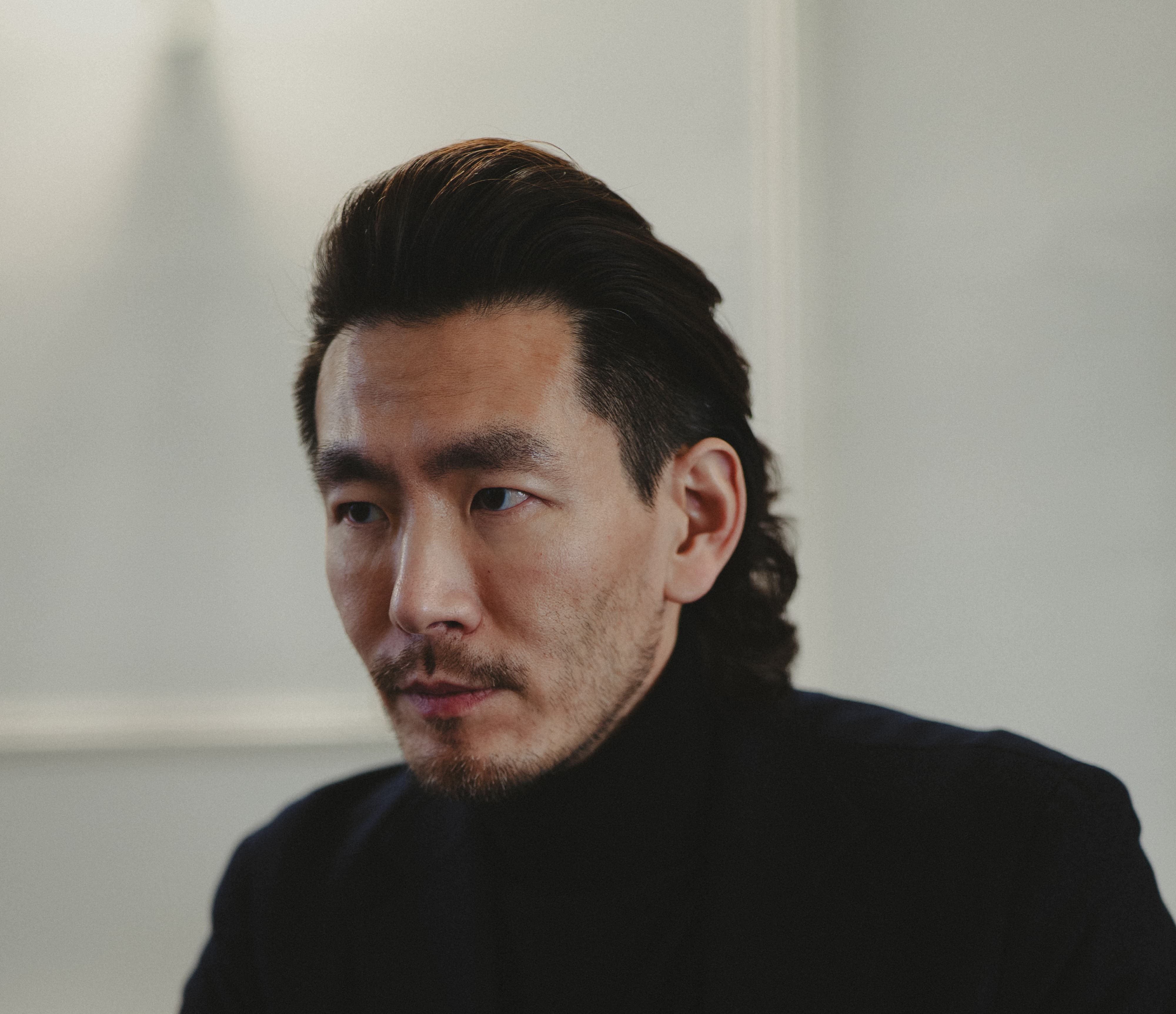
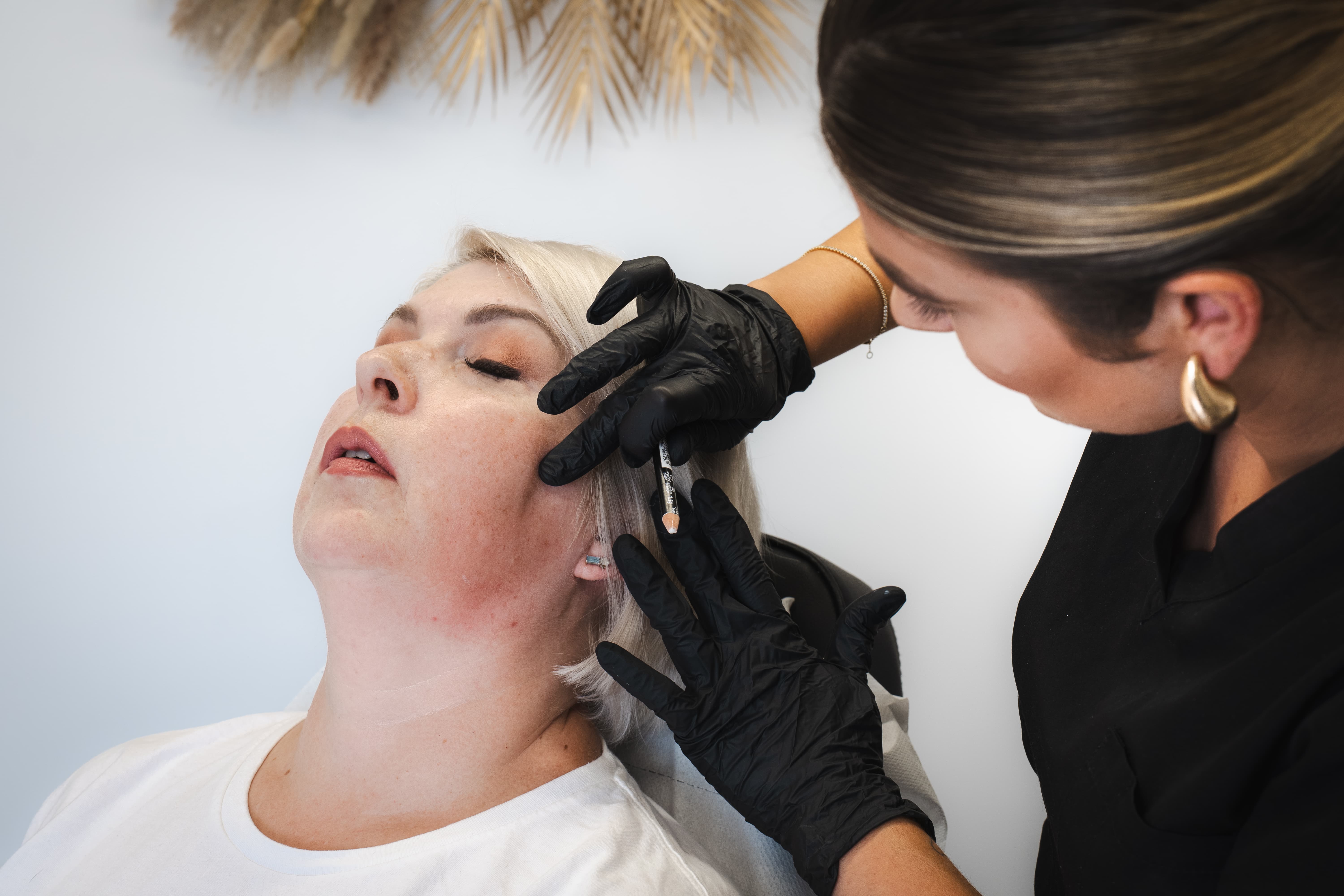
The clinics winning the highest-value patients today are not the ones with the most polished, computer-generated feeds. They are the ones showing real texture. Real pores. Real movement.
Your work is tangible. The results you deliver are real. Your marketing should reflect that reality, not simulate it.